The Lumbee Tribe of North Carolina is looking to enter the gaming market after securing full federal recognition in December
The Lumbee Tribe of North Carolina has proposed a constitutional amendment to allow gambling on its tribal land.
The proposal approved on Thursday (April 16) by members of the Lumbee Tribe aims to amend the tribal constitution to allow gaming on tribal lands, which is deemed to be in the best interest and welfare of the tribe.
A date is yet to be set to vote on the proposed amendment, which requires a two-thirds majority to pass.
The tribal ordinance to propose a constitutional amendment was approved on Thursday by a vote of 17-2.
The planned move into gaming comes after the federal government fully restored the Lumbee Tribe’s status as a federally-recognized Indian tribe in December 2025 with the Lumbee Fairness Act.
The Lumbee were first recognized as an Indian Tribe by the state of North Carolina in 1885. The US government recognized the tribe in 1956 but denied them the federal benefits that come with recognition, including the ability to enter into gaming compacts.
With its sovereignty now restored, the proposed constitutional amendment would give the tribal council the authority to establish a tribal gaming enterprise and regulatory body, and to approve any gaming compact negotiated by the tribal chairperson.
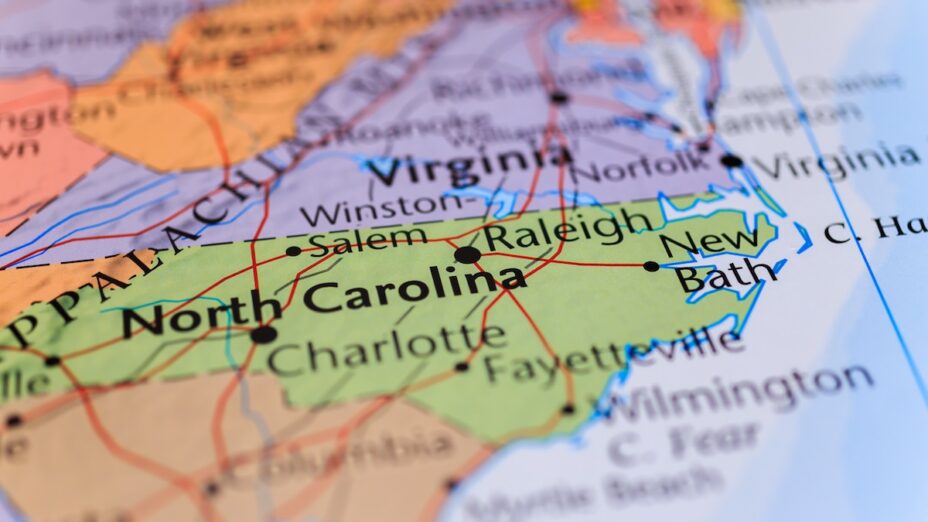
The Lumbee tribal territory is located in North Carolina in Robeson, Hoke, Cumberland, and Scotland Counties.
North Carolina currently has three tribal casinos in the state – Harrah’s Cherokee Casino Resort, Harrah’s Cherokee Valley River Hotel & Casino, and Catawba Two Kings Casino Resort – which are operated by the Eastern Band of Cherokee Indians and Catawba Indian Nation.
The state also has a regulated online sports betting market served by BetMGM, bet365, Caesars, DraftKings, Fanatics, FanDuel, and theScore Bet.
North Carolina earned $38.6 million from betting tax in the first quarter of 2026, on gross revenue of $214.3 million. The state’s total sports wagers in the three-month period increased by 7 per cent year-on-year to $2.01 billion.